
People
Zacchaeus, the tax collector in the tree
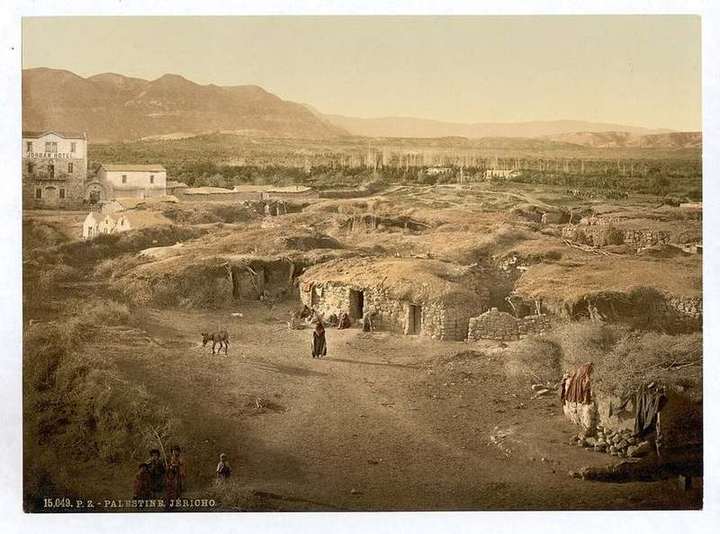
A rich, short and widely hated chief tax collector in Jericho climbs a tree to see Jesus, and Jesus invites himself to his house.
Key verse
For the Son of Man came to seek and to save that which was lost.Luke 19:10
World English Bible (public domain)
Who was Zacchaeus?
A chief tax collector in Jericho, a wealthy man who supervised other collectors. He was short in height.
The world Zacchaeus lived in
Jericho was on a major trade route, so taxing goods there was profitable. Chief tax collectors were seen as thieves and traitors. A grown man running or climbing a tree lost dignity. Staying at someone's home publicly honored the host.
What stands out
Jesus called him by name and invited himself to his house, and the crowd grumbled. Before Jesus said anything about his sin, Zacchaeus promised to give half his goods to the poor and repay fourfold anyone he had cheated.
What modern readers often miss
- 'Zacchaeus' means 'pure' or 'innocent,' an ironic name.
- Fourfold repayment exceeded what the law required for voluntary confession.
Background: tax collectors
Local men who bought the right to collect tolls and taxes for Rome or Herod's sons, and often overcharged.
- They were seen as traitors and cheats and grouped with "sinners" (Mark 2:16).
- Zacchaeus was a chief tax collector in Jericho, a wealthy trade hub.
- Matthew (Levi) left his tax booth at Capernaum to follow Jesus.
- John the Baptist told tax collectors: "Collect no more than that which is appointed to you" (Luke 3:13).
The culture behind the text
Study notes
Key passages
How the Bible connects it
Every cross-reference in Lampstead says why it’s linked. A few from this page:
She shall give birth to a son. You shall name him Jesus, for it is he who shall save his people from their sins.Luke 19:10 → Ezekiel 34:16Why: God promised to seek the lost, the mission Jesus claims as his own
“I will seek that which was lost, and will bring back that which was driven away, and will bind up that which was broken, and will strengthen that which was sick; but I will destroy the fat and the strong. I will feed them in justice.”’Luke 19:10 → 1 Timothy 1:13-16Why: Paul says Christ came to save sinners like himself, the foremost
…although I used to be a blasphemer, a persecutor, and insolent. However, I obtained mercy because I did it ignorantly in unbelief …Luke 19:10 → Luke 5:31-32Why: Jesus came to call sinners to repentance, not the righteous
Jesus answered them, “Those who are healthy have no need for a physician, but those who are sick do. I have not come to call the righteous, but sinners, to repentance.”
Study this deeper in Lampstead
Read Luke 19 with verse-by-verse study notes, cross-references that explain why they’re linked, people and places. Free during the beta.
Open Luke 19See all Lampstead appsRelated
Sources behind these notes: Roman tax system.; Craig S. Keener, The IVP Bible Background Commentary: New Testament (2nd ed.) (2014); Joachim Jeremias, Jerusalem in the Time of Jesus (1969); Albert Barnes, Notes on the Bible (1834–85); Easton's Bible Dictionary (1897), "Sycamore"; Jamieson-Fausset-Brown Commentary (1871). Bible text: World English Bible (public domain).