
Themes
The cities of refuge
In a world without police, the law set apart six cities where someone who killed by accident could run and be safe until trial.
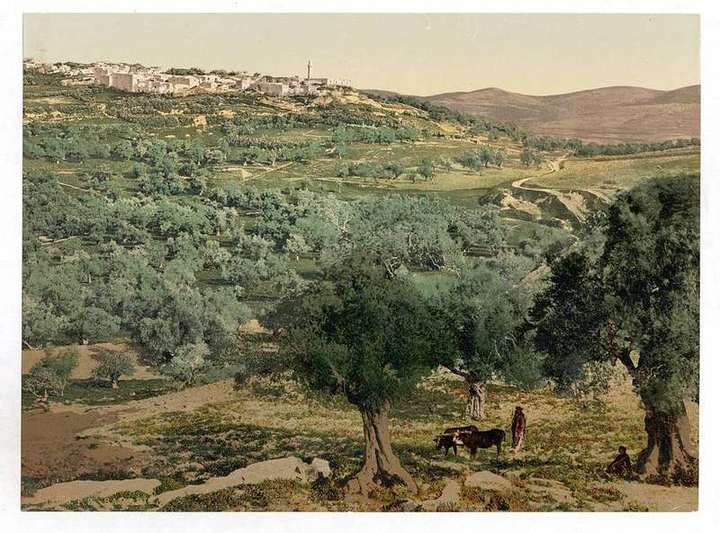
Key verse
…then you shall appoint for yourselves cities to be cities of refuge for you, that the man slayer who kills any person unwittingly may flee there.Numbers 35:11
World English Bible (public domain)
What they were
Numbers 35 sets apart six cities, three on each side of the Jordan, so that anyone who killed someone by accident could reach one. Inside the city the killer was protected from the “avenger of blood,” the relative expected to take revenge, until the community heard the case.
Refuge was not a loophole for murder. The cities protected the accidental killer; a deliberate murderer was still handed over.
Free when the high priest died
The killer had to stay in the city of refuge until the death of the high priest (Numbers 35:25; Joshua 20:6). Only then could he go home. Lampstead’s cross-references connect this to Hebrews, where Christ is the high priest who “lives forever to make intercession.”
A picture of Christ
Christian writers have long read the cities as a picture of finding refuge in Christ. Hebrews 6:18 speaks of believers “who have fled for refuge to take hold of the hope set before us.”
The culture behind the text
Study notes
Key passages
How the Bible connects it
Every cross-reference in Lampstead says why it’s linked. A few from this page:
…but not if it is unintentional, but God allows it to happen; then I will appoint you a place where he shall flee.Numbers 35:11 → Joshua 20:2Why: Joshua appoints the cities of refuge
“Speak to the children of Israel, saying, ‘Assign the cities of refuge, of which I spoke to you by Moses…”Numbers 35:25 → Joshua 20:6Why: The killer stays in the city until the high priest dies
He shall dwell in that city until he stands before the congregation for judgment, until the death of the high priest that shall be in those days. Then the man slayer shall return, and come to his own city, and to his own house, to the city he fled from.’Numbers 35:25 → Exodus 29:7Why: The high priest's death frees the killer, a high priest anointed as in Exodus 29
Then you shall take the anointing oil, and pour it on his head, and anoint him.Numbers 35:25 → Hebrews 7:25-28Why: Christ the high priest saves forever
Therefore he is also able to save to the uttermost those who draw near to God through him, seeing that he lives forever to make intercession for them …
Study this deeper in Lampstead
Read Numbers 35 with verse-by-verse study notes, cross-references that explain why they’re linked, people and places. Free during the beta.
Open Numbers 35See all Lampstead appsRelated
Sources behind these notes: Easton's Bible Dictionary (1897), "Refuge, Cities of"; Keil & Delitzsch, Commentary on the Old Testament (1866–91). Bible text: World English Bible (public domain).