
People
Who was Mary Magdalene?
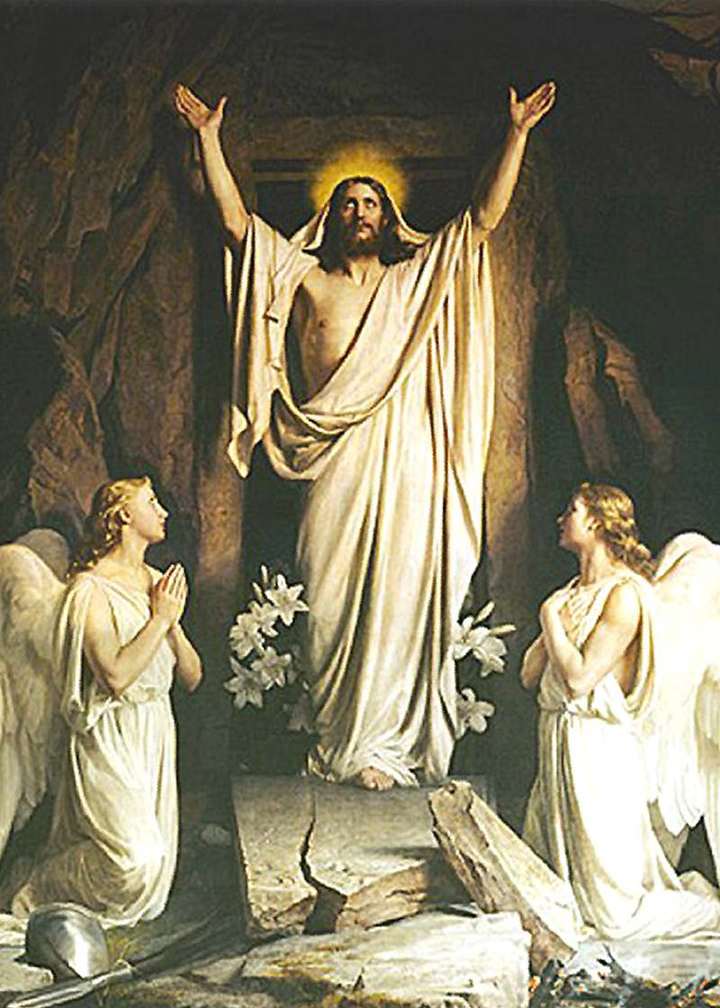
From the fishing town of Magdala on the Sea of Galilee, Mary stayed at the cross, watched the burial and was the first person the risen Jesus sent with the news.
Key verse
Jesus said to her, “Mary.” She turned and said to him, “Rabboni!” which is to say, “Teacher!”John 20:16
World English Bible (public domain)
Background
A woman from Magdala, a fishing and fish-salting town on the west shore of the Sea of Galilee. Jesus cast seven demons out of her. She was apparently independent and helped fund Jesus' ministry.
The world Mary Magdalene lived in
Women's testimony counted for little in court. Women traveling with a rabbi's band was unusual and open to criticism. Anointing the dead with spices was women's work, done after the Sabbath.
What stands out
She stood at the cross, watched the burial, and came first to the tomb. The risen Jesus appeared to her first and sent her to tell the apostles, so early church writers called her the 'apostle to the apostles.'
What modern readers often miss
- She is never called a prostitute in Scripture; that idea came from a sermon by Pope Gregory I (AD 591).
- Magdala was a fishing town; a 1st-century synagogue has been excavated there.
- If the resurrection story were invented, using women as first witnesses would be unlikely.
The culture behind the text
Study notes
Key passages
How the Bible connects it
Every cross-reference in Lampstead says why it’s linked. A few from this page:
Study this deeper in Lampstead
Read John 20 with verse-by-verse study notes, cross-references that explain why they’re linked, people and places. Free during the beta.
Open John 20See all Lampstead appsRelated
Sources behind these notes: Gregory the Great Homily 33; Magdala synagogue excavations (2009).; Albert Barnes, Notes on the Bible (1834–85); John Gill, Exposition of the Bible (1746–63). Bible text: World English Bible (public domain).